
Master of Digital Health student spotlight: Pratima Mahata
| 3 Min Read
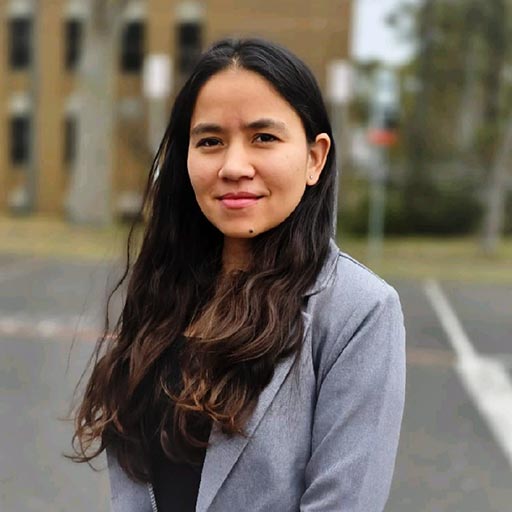
When healthcare access is shaped by distance and resources, Pratima Mahata noticed the systemic cracks that challenged rural communities and saw a solution through digital health. With experience in telehealth programs and having worked in underserved communities, Pratima believed digital platforms could enhance healthcare access and chose to explore how online systems function through La Trobe’s Master of Digital Health. In this spotlight, Pratima explores the role digital health plays in supporting professionals, how integration is more important than replacement, and how human connection will always be at the core of healthcare.
Why did you choose La Trobe’s Digital Health course?
Digital Health wasn’t something I discovered in a classroom, it grew out of lived experience. I come from Nepal, where access to healthcare often depends on geography, weather, and timing. I’ve seen people walk hours to reach a health facility, only to arrive too late. I’ve also worked on telehealth programs and digital tools in rural settings and realised that technology, when used thoughtfully, can change outcomes; not by replacing care, but by extending it.
I chose Digital Health because I wanted to understand how systems really work, why good ideas fail, and what it takes to design solutions that people can use and trust. For me, this course is about turning real-world problems into meaningful, sustainable change.
What have been your favourite subjects in the course so far?
My favourite subject has been Digital Health design and implementation, particularly through the lens of systems thinking. It finally put into words something I have felt for a long time: that healthcare is never just about technology. It’s about people, workflows, culture, leadership, policy, and context, all interacting at once.
Systems thinking helped me see why small changes can have big ripple effects, and why digital health solutions must fit into existing systems. It deeply resonates with the work I’ve done in rural health and continues to shape how I think about design and decision-making.
What have you found most challenging in the course so far?
The most challenging part has been accepting the complexity of healthcare systems. There are no simple fixes. Ethical considerations, user resistance, limited resources, and policy constraints all matter, and they often conflict with each other. It can be overwhelming at times, but that challenge has also been grounding. It’s taught me that responsible digital health work requires patience, humility, and collaboration. Change doesn’t happen fast, but it can happen when people are willing to listen and adapt.
Please share a bit about yourself – what do you like to do in your free time?
I enjoy quiet moments spent thinking, writing, and reflecting. I like meaningful conversations and learning about peoples’ lived experiences. Music helps me slow down, and I’m drawn to work that centres dignity, care, and community. Whether in aged care, digital health, or everyday life, I value human connection and empathy above all else.
Where would you like to be in 5 years’ time?
In five years, I see myself working in digital health in a grounded way that supports health systems and provides better service to patients, especially in rural and underserved communities. I want to contribute to solutions that are practical, ethical, and designed with patient needs in mind.
More than titles or roles, I hope to remain someone who listens deeply, designs thoughtfully, and never loses sight of the human side of healthcare.
Students of the Master of Digital Health complete their studies equipped to lead meaningful change in healthcare. Combining practical insights with digital innovation, they are industry-ready to shape healthcare delivery with clinical skills, technical fluency, and strategic thinking.
Learn more about La Trobe’s Master of Digital Health course or get in touch with our team of Enrolment Advisors via (+61 3) 9917 3009.